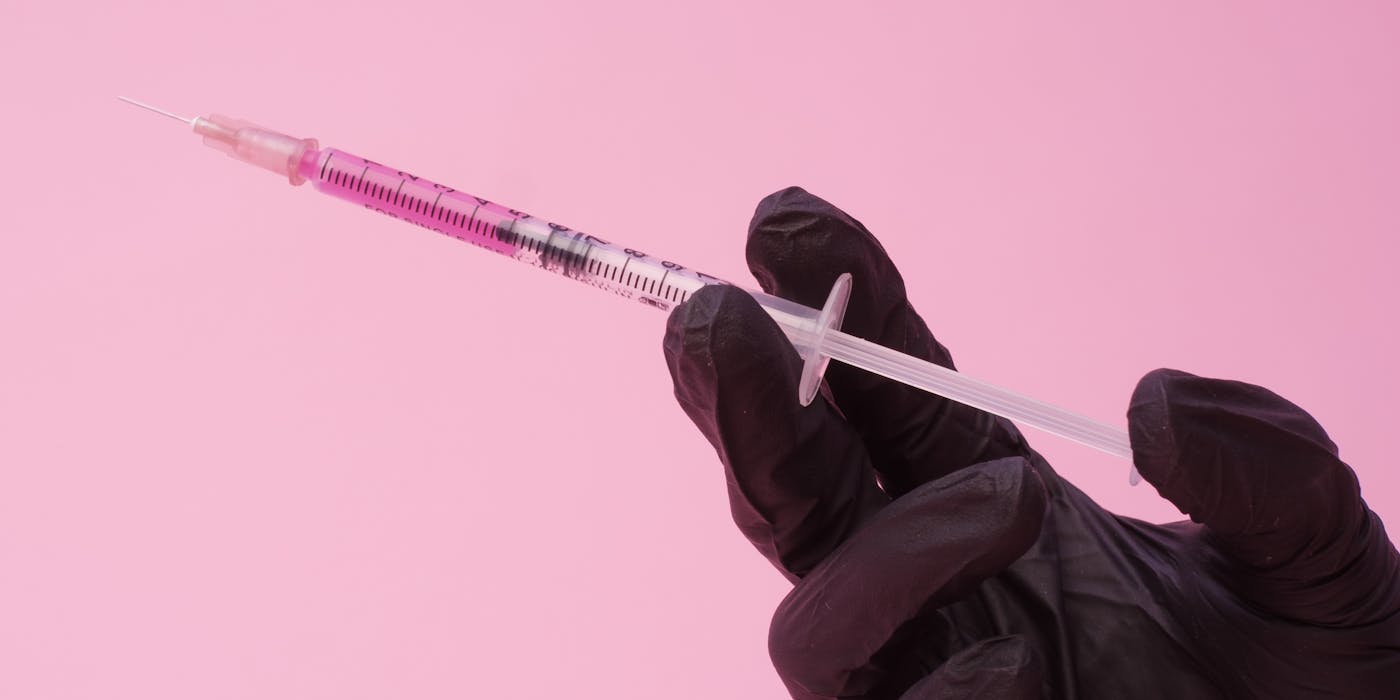
Neuro Pain Management
Advanced interventional pain management by Dr. Waqas Mehdi — radiofrequency ablation, transforaminal injections & epidural steroid injections for long-lasting relief from chronic nerve, back, and facial pain.
Targeted, Minimally Invasive Pain Relief
Neuro pain management encompasses a range of minimally invasive procedures designed to diagnose and treat chronic pain conditions affecting the nervous system — the brain, spinal cord, and peripheral nerves. Unlike general pain management, neuro pain management focuses specifically on pain that originates from or is transmitted through neural pathways, offering targeted relief that standard medications alone cannot achieve.
Dr. Waqas Mehdi, a specialist neurosurgeon at MidCity Hospital and Mayo Hospital Lahore, provides advanced neuro pain management services including radiofrequency ablation (RFA) for trigeminal neuralgia, transforaminal epidural steroid injections, and cervical and lumbar epidural injections — all performed under imaging guidance for maximum precision and safety.
These procedures are particularly valuable for patients in Lahore and across Pakistan who suffer from debilitating facial pain (trigeminal neuralgia), severe sciatica, lumbar radiculopathy, cervical radiculopathy, herniated disc pain, spinal stenosis, and post-surgical neuropathic pain. Many patients who travel to Lahore from Karachi, Islamabad, Faisalabad, Multan, and other cities find that interventional neuro pain management provides relief after years of unsuccessful medical treatment.
The goal of neuro pain management is not merely to mask pain temporarily, but to interrupt pain-generating pathways, reduce neurogenic inflammation, and restore functional quality of life — enabling patients to participate in physiotherapy, return to work, and enjoy day-to-day activities without the burden of constant, severe pain.
Book an Appointment
Discuss your pain condition with Dr. Waqas Mehdi and find the right treatment.
0300-8482624042-35407131-6 Ext #282Procedures Offered
- Radiofrequency Ablation (RFA)
- Percutaneous Rhizotomy
- Transforaminal Epidural Injection
- Interlaminar Epidural Injection
- Cervical Epidural Steroid Injection
- Lumbar Epidural Steroid Injection
- Selective Nerve Root Block
- Facet Joint Injection
- Medial Branch Block

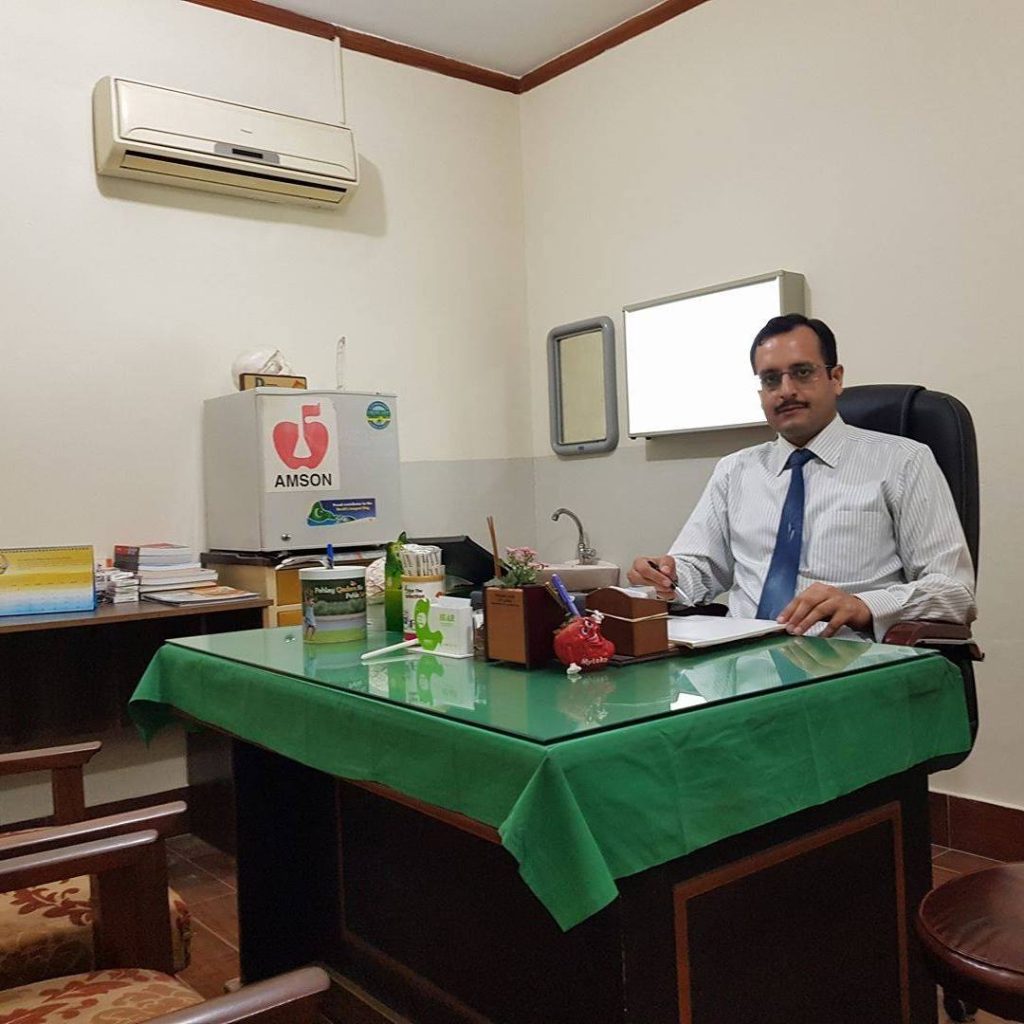
Dr. Waqas Mehdi
MBBS · FCPS (Neurosurgery)
Asst. Professor KEMU & Mayo Hospital
Radiofrequency Ablation for Trigeminal Neuralgia
Trigeminal neuralgia is widely regarded as one of the most painful conditions known to medicine — often described as sudden, severe, electric-shock-like facial pain lasting from a fraction of a second to several minutes. The pain is typically triggered by routine activities such as talking, eating, drinking, brushing teeth, or even a light breeze touching the face. It affects one side of the face in the distribution of the trigeminal nerve (forehead, cheek, jaw), and attacks can occur dozens of times a day, severely disrupting quality of life.
Radiofrequency ablation (RFA) — also known as percutaneous radiofrequency rhizotomy — is a minimally invasive neurosurgical procedure that provides effective and long-lasting relief for trigeminal neuralgia. Under X-ray (fluoroscopic) guidance and mild sedation, a thin needle electrode is carefully passed through the cheek and guided through the foramen ovale (a natural opening at the skull base) to the trigeminal ganglion — the nerve cell cluster that generates the pain signals.
Once the electrode is precisely positioned — confirmed by electrical stimulation testing which reproduces the patient's typical pain distribution — radiofrequency energy (heat) is applied to selectively damage the pain-transmitting nerve fibres while preserving, as much as possible, the touch fibres that prevent total facial numbness. The procedure takes approximately 1–2 hours and is performed as a day case at MidCity Hospital Lahore.
Outcomes: Up to 90% of patients achieve immediate pain relief following RFA. Long-term outcomes are favourable, with pain-free or significantly reduced pain periods lasting years. The procedure can be safely repeated if pain recurs. For patients with trigeminal neuralgia in Lahore, Karachi, Islamabad, Peshawar, and across Pakistan, RFA performed by a skilled neurosurgeon like Dr. Waqas Mehdi represents a transformative treatment option — particularly for those who have failed medical therapy or are not candidates for open microvascular decompression.
Who is a Candidate?
- Trigeminal neuralgia unresponsive to medications
- Intolerance to carbamazepine/oxcarbazepine side effects
- Elderly patients or those unfit for open surgery
- Recurrent pain after previous procedures
- Classical or secondary TN (MS-related)
How the Procedure Works
- Performed under sedation (day case)
- X-ray guided needle via foramen ovale
- Electrical stimulation confirms target nerve
- Radiofrequency heat selectively ablates pain fibres
- Takes 60–90 minutes; monitored for 2 hours post-procedure
Recovery & Results
- Go home same day
- Immediate pain relief in majority of cases
- Mild facial numbness is common and expected
- Pain-free period typically 2–5 years
- Repeat procedure possible if pain returns
Trigeminal Neuralgia Pain — You Don't Have to Live with It
If you or a family member suffers from severe facial pain and has not found relief with medications, Dr. Waqas Mehdi can evaluate whether radiofrequency ablation is the right solution. Patients from all over Pakistan consult him for this specialist procedure. Early treatment prevents progressive worsening and medication resistance.
Call for Consultation: 0300-8482624Transforaminal Epidural Steroid Injection
A transforaminal epidural steroid injection (TFESI) is the gold-standard, image-guided procedure for treating radicular pain — pain that radiates from the spine into the arm or leg along the path of an irritated nerve root. Common causes include a herniated disc, slip disc, bone spur (osteophyte), spinal stenosis, or foraminal narrowing compressing a spinal nerve as it exits the vertebral column.
Unlike oral anti-inflammatory medications, which circulate throughout the body at lower concentrations, a transforaminal injection deposits a high concentration of corticosteroid (such as triamcinolone or betamethasone) and local anaesthetic directly at the inflamed nerve root — the precise source of your pain. This targeted approach achieves superior anti-inflammatory effect while minimising systemic side effects.
The procedure is performed under fluoroscopic (X-ray) guidance in an interventional suite. A contrast dye is first injected to confirm correct needle position and ensure the medication will coat the affected nerve root. The entire procedure typically takes 20–30 minutes; patients are monitored for approximately one hour and discharged the same day.
Indications treated at Dr. Waqas Mehdi's Lahore clinic: cervical transforaminal injections for neck and arm pain (cervical radiculopathy), lumbar transforaminal injections for low back and leg pain (lumbar radiculopathy, sciatica), and thoracic transforaminal injections for mid-back and intercostal nerve pain. Patients from across Pakistan — Lahore, Karachi, Faisalabad, Islamabad, Multan, Gujranwala, Sialkot and beyond — benefit from this specialist service.
Conditions Treated
- Cervical radiculopathy (neck & arm pain)
- Lumbar radiculopathy (low back & leg pain)
- Sciatica from herniated disc
- Foraminal stenosis with nerve compression
- Post-discectomy residual radicular pain
- Degenerative disc disease nerve irritation
- Spondylotic myeloradiculopathy
- Failed conservative treatment with ongoing radiculopathy
Procedure Steps
- 1Pre-procedure assessment: MRI review, blood tests
- 2Patient positioned on fluoroscopy table
- 3Skin cleaned and local anaesthetic applied
- 4Needle guided to target foramen under X-ray
- 5Contrast dye confirms correct placement
- 6Corticosteroid + local anaesthetic injected
- 7Patient monitored for 30–60 minutes post-injection
Duration
20–30 minute procedure. Day-case admission. Go home same day with a responsible adult.
Precision
Fluoroscopic X-ray guidance with contrast confirmation ensures the needle and medication reach exactly the right nerve root.
Effectiveness
70–80% of patients with radicular pain experience significant, clinically meaningful pain reduction. Best results when combined with physiotherapy.
Epidural Steroid Injections (Cervical, Thoracic & Lumbar)
Epidural steroid injections (ESI) are among the most widely performed interventional pain procedures worldwide, offering significant relief for patients suffering from spinal-origin pain. The epidural space is the area immediately outside the dural sac (which contains the spinal cord and nerve roots) and is filled with fat, blood vessels, and nerve roots as they course toward the intervertebral foramina. Injecting corticosteroid into this space delivers powerful anti-inflammatory medication directly to inflamed nerves and surrounding tissues.
At Dr. Waqas Mehdi's interventional pain clinic in Lahore, epidural steroid injections are performed for three spinal regions, each with specific clinical applications:
Cervical Epidural Steroid Injection (C-ESI)
Cervical epidural injections target the epidural space in the neck region (C3–C7). They are used to treat pain radiating from the neck into the shoulder, arm, or hand — a condition known as cervical radiculopathy. Cervical disc herniation, cervical spondylosis, and cervical foraminal stenosis are the most common causes treated.
The injection reduces inflammation around compressed cervical nerve roots, relieving the characteristic burning, shooting, or tingling arm pain and improving grip strength and arm function. Patients with cervical myelopathy (spinal cord compression) may also benefit where surgery is not immediately indicated.
Indications:
- Neck pain radiating to arm/hand
- Cervical disc herniation
- Cervical spondylosis
- Post-cervical surgery residual pain
- Cervical foraminal stenosis
- Brachialgia / arm numbness & tingling
Lumbar Epidural Steroid Injection (L-ESI)
Lumbar epidural injections are the most commonly performed spinal injection procedure globally. They target the L1–S1 epidural space to treat low back pain radiating into the buttock, leg, and foot — clinically known as lumbar radiculopathy or sciatica. The procedure can be performed via two approaches: interlaminar (entering from the back of the spine) or transforaminal (entering through the nerve exit opening).
Lumbar ESI is highly effective for patients with herniated lumbar discs, lumbar spinal stenosis, degenerative disc disease, spondylolisthesis with nerve compression, and failed back surgery syndrome. It allows many patients to avoid or delay spine surgery while maintaining functional independence.
Indications:
- Sciatica from herniated lumbar disc
- Lumbar spinal stenosis
- Low back pain with leg radiation
- Spondylolisthesis with nerve pain
- Failed back surgery syndrome
- L4/L5 or L5/S1 nerve root compression
- Post-discectomy recurrent pain
Thoracic Epidural Steroid Injection (T-ESI)
Thoracic epidural injections address pain in the mid-back region and intercostal (rib) nerves. While less common than cervical or lumbar ESI, thoracic epidural injections are valuable for thoracic disc herniation, thoracic spinal stenosis, post-herpetic neuralgia (shingles-related nerve pain), and costovertebral joint pain.
The thoracic epidural space is more technically demanding due to the kyphotic (forward-curved) shape of the thoracic spine and the narrow epidural space. Expert neurosurgical skill and image guidance are essential. Dr. Waqas Mehdi's thoracic injections are performed under fluoroscopic control with contrast confirmation for maximum safety.
Indications:
- Thoracic disc herniation
- Mid-back pain with rib-area radiation
- Post-herpetic neuralgia (shingles pain)
- Thoracic spinal stenosis
- Costovertebral joint pain
- Intercostal neuralgia
Epidural Injection Comparison at a Glance
| Type | Spinal Level | Primary Pain Location | Common Causes |
|---|---|---|---|
| Cervical ESI | C3–C7 | Neck → Shoulder → Arm → Hand | Cervical disc herniation, spondylosis |
| Thoracic ESI | T1–T12 | Mid-back → Ribs → Chest | Thoracic disc herniation, post-herpetic neuralgia |
| Lumbar ESI | L1–S1 | Low back → Buttock → Leg → Foot | Lumbar disc herniation, spinal stenosis, sciatica |
| Transforaminal ESI | Any level | Specific nerve root distribution | Single nerve root compression, foraminal stenosis |
Expert Neuro Pain Management in Lahore
As a trained neurosurgeon with deep expertise in spinal anatomy and neurophysiology, Dr. Waqas Mehdi provides neuro pain management with a level of precision and anatomical understanding that sets his practice apart.
Image-Guided Precision
All injections performed under fluoroscopic (X-ray) guidance with contrast confirmation — ensuring medication reaches exactly the targeted nerve or space.
Hospital-Grade Facility
Procedures performed at MidCity Hospital Lahore with full sterile technique, emergency support, and post-procedure monitoring in a safe clinical environment.
Neurosurgical Expertise
Unlike general pain clinics, Dr. Waqas Mehdi's neurosurgical training gives him unmatched understanding of neural anatomy for safe, effective interventions.
Comprehensive Evaluation
Every patient undergoes thorough clinical and radiological assessment (MRI/CT) before any procedure to ensure the right treatment for the right pain source.
Integrated Care
Pain management procedures are combined with physiotherapy referral, medication optimisation, and surgical planning where needed — a complete care pathway.
Serving All of Pakistan
Patients from Karachi, Islamabad, Peshawar, Quetta, Multan, Faisalabad and beyond regularly visit Lahore for Dr. Waqas Mehdi's specialist pain management services.
Frequently Asked Questions
What is radiofrequency ablation for trigeminal neuralgia?
How does a transforaminal injection work?
How long does pain relief from epidural injections last?
Are these pain management procedures safe?
Who is a candidate for radiofrequency ablation for facial pain?
How many epidural injections can I have?
Is hospitalisation required for these procedures?
What is the difference between a transforaminal and an interlaminar epidural injection?
Have more questions about neuro pain management procedures in Lahore?
Contact UsNeuro Pain Management – Available for Patients Across Pakistan
Dr. Waqas Mehdi, one of the best neurosurgeons in Lahore and Pakistan, provides expert neuro pain management at MidCity Hospital and Mayo Hospital Lahore. Patients regularly travel from across Pakistan to consult him — including from:
Dr. Waqas Mehdi (MBBS, FCPS Neurosurgery) is Asst. Professor at King Edward Medical University (KEMU) and Consultant Neurosurgeon at Mayo Hospital, Lahore. His private OPD at MidCity Hospital, 3-A Main Jail Road, Lahore is open for consultations. Call 0300-8482624 or 042-35407131-6 Ext #282 to book an appointment.
Consult Dr. Waqas Mehdi Today
Pakistan's trusted neurosurgeon for brain tumor surgery, spine surgery, and all complex neurological conditions. Book your appointment at MidCity Hospital, Lahore.