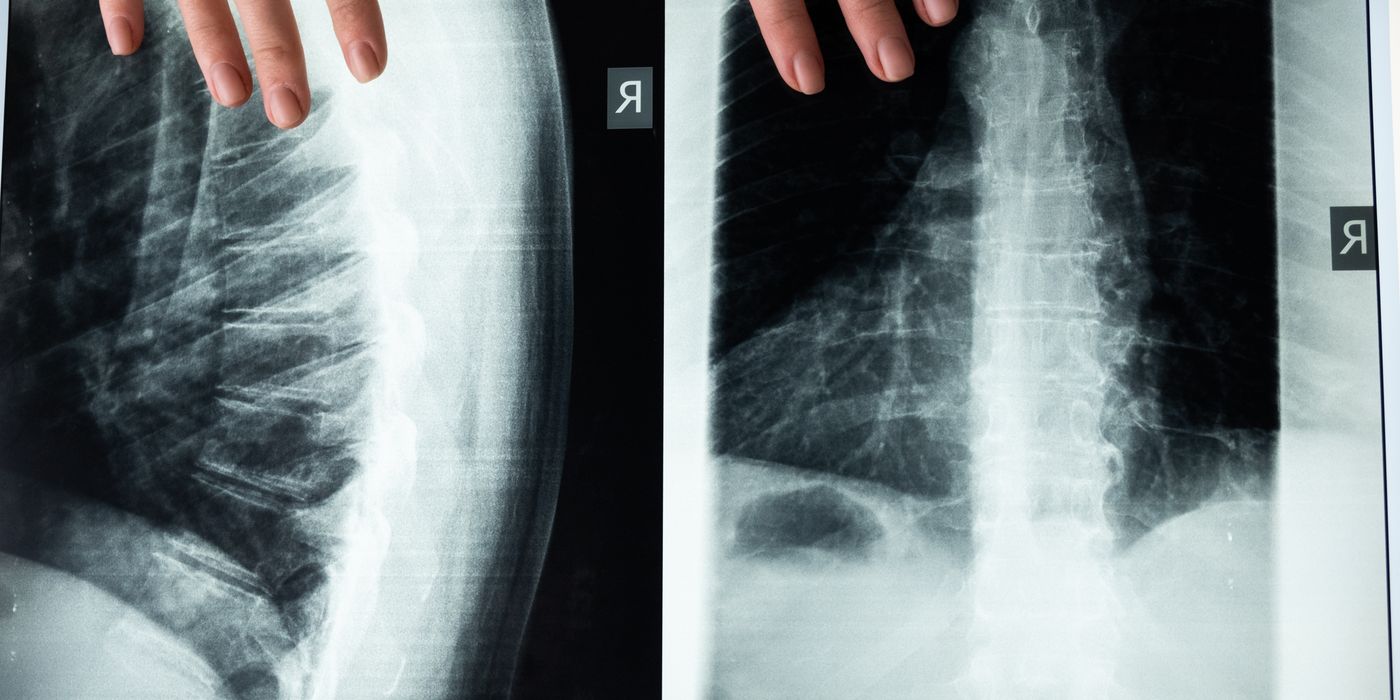
Spine Surgery in Lahore
A complete guide to spine surgery — from the cervical spine to the lower back — helping you understand which procedure applies to your condition, and where to find the detailed page for it.
Spine Surgery – A Guide to the Different Types
"Spine surgery" is not a single operation — it is a broad category covering many different procedures, each suited to a specific condition, spinal region, and severity. This page is designed as a hub: it explains how spine surgery is classified, what the major procedure categories are, and links to the dedicated page for each specific operation so you can find exactly the information relevant to your case.
The first way to classify spine surgery is by region. Cervical spine surgery treats the neck — conditions like cervical disc herniation and cervical myelopathy that cause neck pain, arm pain, numbness, or hand clumsiness. Thoracic spine surgery, less common, addresses the mid-back and is usually reserved for tumors, fractures, or deformity. Lumbar spine surgery treats the lower back — by far the most common region operated on, covering conditions like slipped disc, sciatica, and spinal stenosis.
The second, and arguably more important, way to classify spine surgery is by what it actually does: decompression versus fusion. Decompression surgery (microdiscectomy, laminectomy, endoscopic discectomy) removes disc material or bone that is pressing on a nerve or the spinal cord — it relieves pressure without altering the mechanical stability of the spine. Fusion surgery (TLIF, PLIF, ACDF, posterolateral fusion) permanently joins two or more vertebrae with screws, rods, and bone graft to eliminate abnormal motion — it is used when the spine itself is unstable, slipped, or deformed, not simply when a disc is herniated.
A third distinction is minimally invasive versus open surgery. Minimally invasive and full endoscopic techniques use small incisions (sometimes as little as 7mm), tubular retractors, or an endoscope to reach the spine with minimal muscle disruption — resulting in faster recovery. Open surgery uses a larger, traditional incision and is sometimes still necessary for complex, multi-level, or revision cases. Dr. Waqas Mehdi performs both, and recommends the approach best suited to the specific pathology — not a one-size-fits-all technique.
Because the right operation depends entirely on your specific diagnosis, this page gives you an overview of each option and where to read more, while your MRI and clinical examination determine which one actually applies to you.
When Spine Surgery May Be Needed
Spinal Conditions Treated Under 'Spine Surgery'
Spine Surgery Procedures — Which One Applies to You?
Microdiscectomy
The gold-standard, minimally invasive procedure for a herniated lumbar disc causing sciatica (leg pain). A small incision is used to remove only the fragment of disc pressing on the nerve root. Rapid recovery, usually within days. Read our full Microdiscectomy page for details on the procedure, recovery, and who is a candidate.
Full Endoscopic Spine Surgery (PELD)
The most minimally invasive option available — a 7mm incision and an endoscope are used to remove herniated disc material with minimal muscle disruption, often as a same-day procedure. See our Endoscopic Spine Surgery page for how this compares to traditional microdiscectomy.
Endoscopic Discectomy
A specific application of endoscopic technique for lumbar disc herniation — sometimes referred to as PELD (Percutaneous Endoscopic Lumbar Discectomy). Visit our Endoscopic Discectomy page for a detailed breakdown of the technique and recovery timeline.
Cervical Spine Surgery (ACDF & more)
Covers ACDF (Anterior Cervical Discectomy and Fusion), cervical disc replacement, laminoplasty, and endoscopic cervical discectomy — all addressing neck pain, arm pain, and cervical myelopathy. Our dedicated Cervical Spine Surgery page explains which procedure fits which cervical condition.
Spinal Fusion Surgery
TLIF, PLIF, posterolateral fusion, and other techniques that stabilise the spine using screws, rods, and bone graft — used for spondylolisthesis, instability, and deformity, not for straightforward disc herniation. Visit our Spinal Fusion Surgery page to understand when fusion is genuinely necessary.
Laminectomy for Spinal Stenosis
Removal of the lamina (back part of the vertebra) to create more room for the compressed spinal cord or nerves in spinal stenosis. Sometimes combined with fusion if the segment is unstable. See our Spinal Stenosis condition page for the full range of decompression options.
Recovery & Aftercare
Recovery time depends heavily on which category of surgery you have. Minimally invasive and endoscopic decompression procedures (microdiscectomy, endoscopic discectomy) typically involve a hospital stay of 1–2 days, with many patients walking the same day and returning to desk work within 1–3 weeks.
Open decompression procedures such as laminectomy generally involve a 2–4 day hospital stay, with a return to desk work in 3–6 weeks and physically demanding work in 8–12 weeks.
Spinal fusion surgery (TLIF, PLIF, ACDF, posterolateral fusion) involves a longer process — hospital stay of 2–5 days, a brace or collar for several weeks in some cases, return to desk work around 4–6 weeks, and full bone fusion maturing over 3–12 months, though pain relief is usually felt much earlier.
For the exact recovery timeline of your specific procedure, see the dedicated page for that surgery — Microdiscectomy, Cervical Spine Surgery, or Spinal Fusion Surgery — each includes a detailed week-by-week recovery guide.
Physiotherapy is an important part of recovery for most spine surgery patients and is introduced once the surgical site has healed sufficiently, typically 2–6 weeks post-surgery depending on the procedure.
Dr. Waqas Mehdi provides detailed, procedure-specific post-operative instructions and follow-up to ensure a safe and complete recovery.
Why Choose Dr. Waqas Mehdi?
- One of the few neurosurgeons in Pakistan trained in the full spectrum of spine conditions — cervical, thoracic, and lumbar
- Expert in both minimally invasive/endoscopic and open spine surgery — recommends whichever approach genuinely suits the pathology
- Reviews every patient's MRI and X-rays personally before recommending a specific procedure — no generic treatment plans
- Recommends fusion only when there is real instability, not as a default response to a disc problem
- Handles the most complex spine cases — patients travel from across Pakistan for his expertise
- Private consultation at MidCity Hospital, Lahore — evenings Monday to Saturday
Frequently Asked Questions
What is the difference between spine surgery and back surgery?
How do I know which spine surgery I need?
Do I need spinal fusion or just decompression?
What is the success rate of spine surgery?
How do I choose between endoscopic and open spine surgery?
Is spine surgery in Pakistan safe?
Can I avoid spine surgery altogether?
What is the cost of spine surgery in Lahore?
Book an Appointment
Consult Dr. Waqas Mehdi at MidCity Hospital, Lahore
0300-8482624042-35407131-6 Ext #282Related Services

Spine Surgery – Available for Patients Across Pakistan
Dr. Waqas Mehdi, one of the best neurosurgeons in Lahore and Pakistan, provides expert spine surgery at MidCity Hospital and Mayo Hospital Lahore. Patients regularly travel from across Pakistan to consult him — including from:
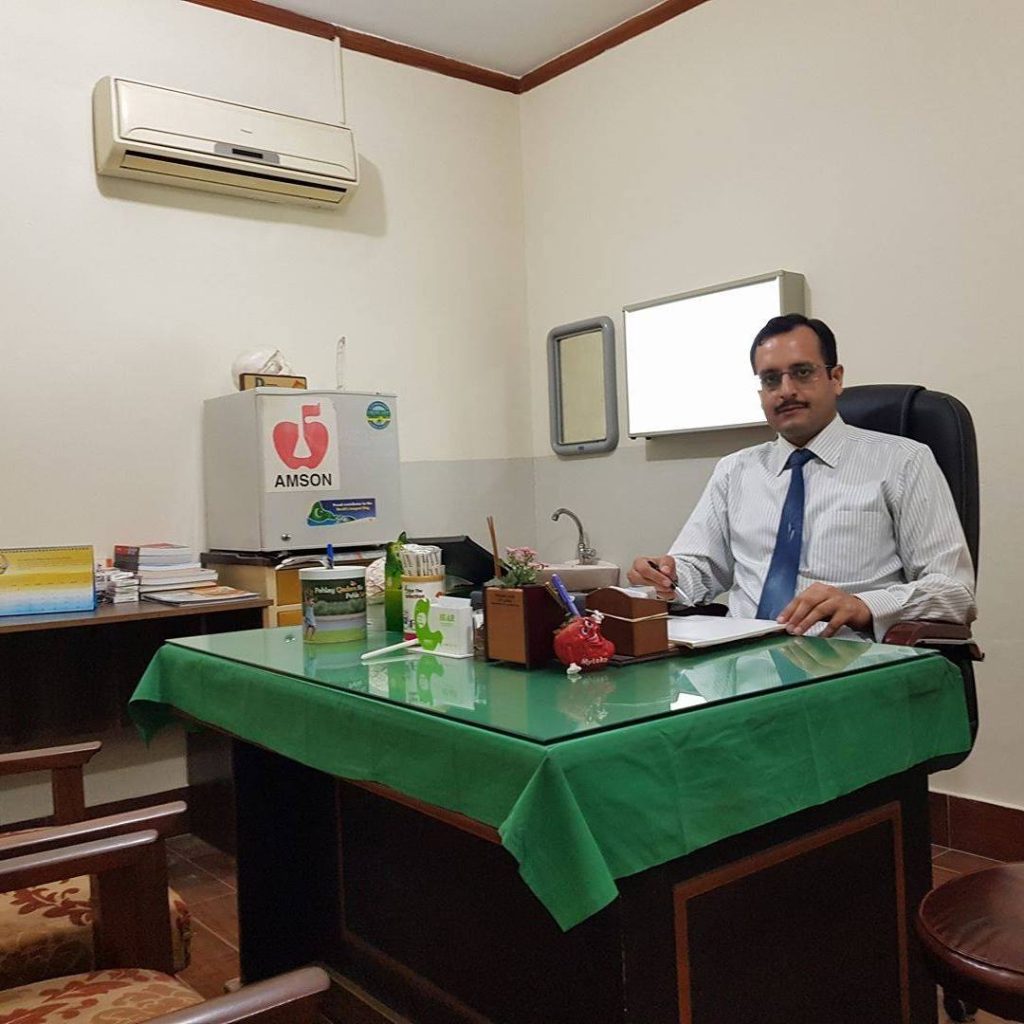
Dr. Waqas Mehdi (MBBS, FCPS Neurosurgery) is Asst. Professor at King Edward Medical University (KEMU) and Consultant Neurosurgeon at Mayo Hospital, Lahore. His private OPD at MidCity Hospital, 3-A Main Jail Road, Lahore is open for consultations. Call 0300-8482624 or 042-35407131-6 Ext #282 to book an appointment.
Consult Dr. Waqas Mehdi Today
Pakistan's trusted neurosurgeon for brain tumor surgery, spine surgery, and all complex neurological conditions. Book your appointment at MidCity Hospital, Lahore.